Tourism in Garda: The lake embraces technology too
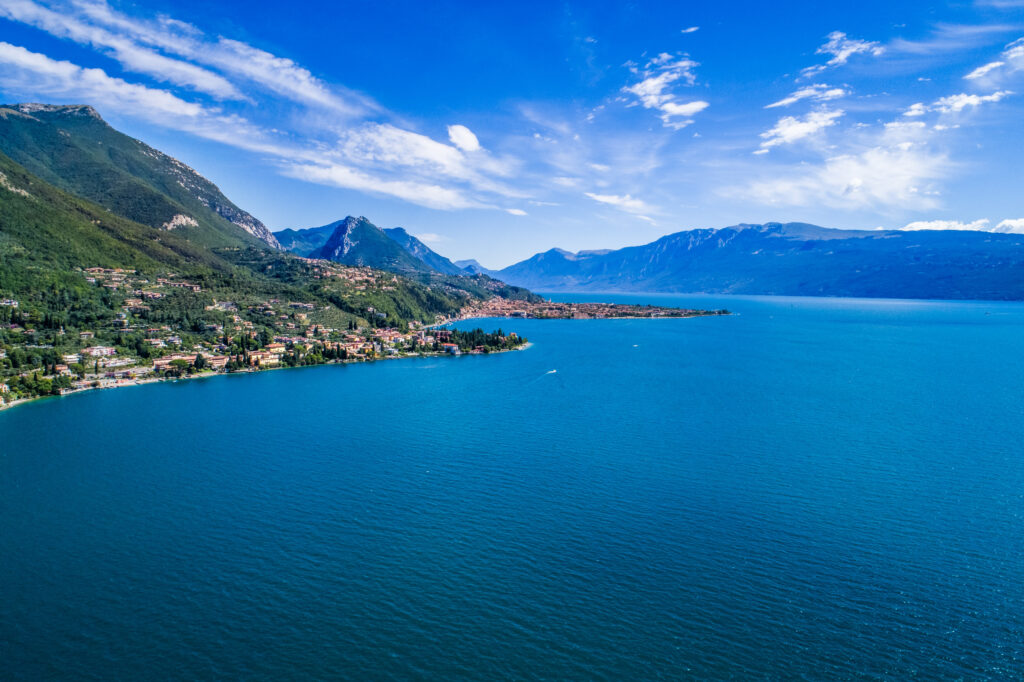
Lake Garda has been one of Italy’s most popular tourist destinations for decades, attracting millions of visitors every year with its landscapes, lakeside towns and combination of nature, sport, culture and food and wine. The area is now increasingly investing in technological innovation.
Lake Garda has been one of Italy’s most popular tourist destinations for decades. Its landscapes, towns overlooking the water and offer combining nature, sport, culture and food and wine attract millions of visitors every year. In recent years, however, the area has also made a strong commitment to innovation, turning technology into a tool for improving the tourist experience and protecting the environment. It was only a matter of time before tourist attractions also adopted technological solutions to enhance visitors’ experiences. Today, leisure and entertainment are increasingly moving into virtual content, which is no longer limited to video games. Digital slots and remote card games have multiplied the content keeping users in front of screens, but when it comes to tourism, the live experience must ultimately make the difference.
In short, the use of technology is not always distracting and, in Garda’s case, it is undoubtedly beneficial. Artificial intelligence, drones and new digital services show how innovation can enhance an area without altering its charm. On the contrary, these tools help improve the quality of services offered to tourists while protecting a natural heritage that is one of the symbols of Italian tourism.
The technological revolution affecting Lake Garda is not limited to welcoming visitors; it begins with environmental protection. The lake, which is also the setting for a thriller television series due to be released on Disney+, is one of the protagonists of the European InCatch project. The initiative involves six European universities and numerous public and private organisations, with the aim of developing innovative systems for monitoring water. This is where water drones equipped with artificial intelligence come in. They are designed to collect geolocated data autonomously while navigating. The information gathered makes it possible to create detailed maps of water quality and any presence of pollutants, allowing increasingly prompt and accurate action.
Alongside environmental monitoring, new systems are also being developed to manage water infrastructure. In Lazise, an innovative model for treating storm-overflow outlets has been tested. It is designed to make water management more efficient and further improve the sustainability of the entire basin. The ultimate goal is not only to protect Lake Garda, but also to create technologies that can be replicated in other European lakes and waterways, turning the Benaco into a true international laboratory for environmental innovation.
Innovation is also directly changing the visitor experience. More and more tourism operators are integrating digital tools to simplify holiday planning and provide personalised information in real time. One of the most interesting examples is GardaTop, a project developed in the tourist navigation sector that uses a virtual assistant based on generative artificial intelligence. Available at any time of day, the system can answer tourists’ questions about itineraries, timetables, bookings, attractions and local points of interest in natural, immediate language.
The digital experience continues on site through intelligent desks equipped with QR codes and NFC technology. Visitors can use them to consult information or purchase tours and services directly from their smartphones within seconds. The solution reduces waiting times, simplifies access to the tourist offering and makes stays even more enjoyable. The integration of innovation and hospitality is one of the main challenges facing contemporary tourism. Lake Garda demonstrates that technology can be used not to replace contact with the area, but to enhance it further, offering visitors increasingly efficient tools for discovering the lake, its towns and the many activities available.